
Key Takeaways
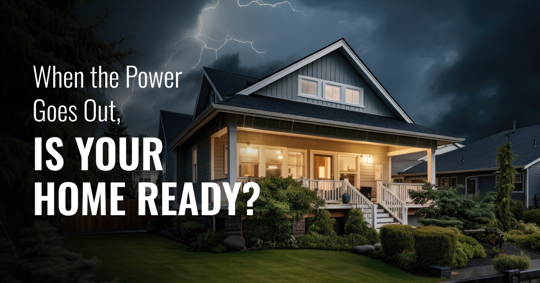
- Summer storms and extreme heat can impact more than just your comfort. They can disrupt your HVAC system.
- Power outages can quickly affect air conditioning, refrigeration, and home security systems.
- A backup generator can help keep critical home systems running during outages and reduce disruption to your household.
- Standby generators provide automatic whole-home or partial-home backup power, while portable generators offer a more affordable, manual solution.
- Preparing before severe weather arrives with seasonal HVAC inspections and maintenance can help prevent costly repairs and unexpected breakdowns.
- After a storm or outage, it's important to inspect your HVAC system for hidden damage that may not be immediately visible.
Summer in Austin has a way of keeping homeowners on their toes. Extended heat waves can strain the electrical grid as air conditioners run longer and more often. Fast-moving storms can bring heavy rain and sudden outages.
Whether the power loss comes from severe storms or extreme heat, the result is the same: the systems your household depends on can stop working when you need it the most.
For homeowners, that moment when the power goes out is when you realize how much your comfort depends on a reliable HVAC system and uninterrupted power. When one is affected, the impact can often be felt throughout the home.
At Precision Heating & Air, we work with homeowners across Austin to help them get ahead of the season before the weather becomes unpredictable, because we believe the best time to prepare for extreme weather is before it's in the forecast.
How Can Summer Weather Disrupt Your Home's Systems?
Most homeowners think about storm damage in terms of what they can see: tree debris, missing shingles, a puddle in the garage. But summer weather, regardless of whether it comes in the form of a severe storm or extreme heat, affects the systems working behind the walls, too.
Here's what summer weather can disrupt inside your home:
- Power outages: Severe storms can knock out power quickly, while extreme heat can strain the grid during periods of high demand. Even brief outages can disrupt your HVAC cycles, cause refrigerators to warm up, put temperature-sensitive medications at risk, and leave your home without cooling during the hottest days of the year.
- System shutdowns: HVAC units and other equipment are sensitive to power interruptions. A sudden shutdown and restart can accelerate wear on components.
What Happens When The Power Goes Out?
Your HVAC system stops running.
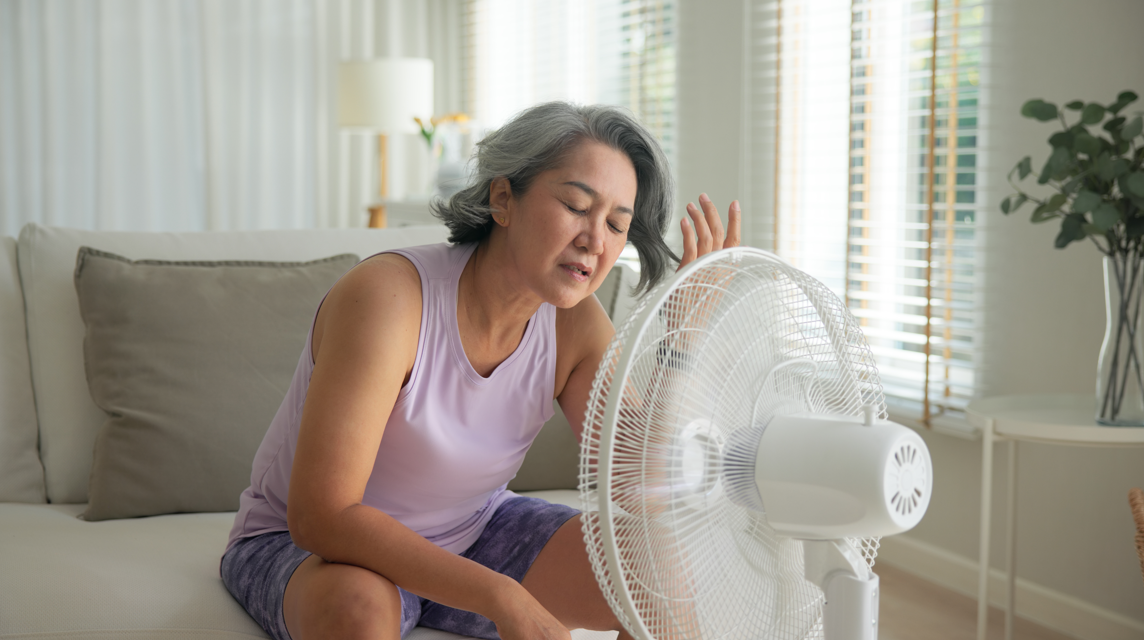
Summer temperatures can rise quickly inside an unpowered home. For families with young children, older adults, or anyone with heat sensitivity, losing air conditioning during extreme heat is more than an inconvenience.
Your refrigerator and freezer begin to warm up.
Food safety experts recommend assuming food may be compromised after four hours in an unpowered refrigerator. For some households, this can also affect temperature-sensitive medications that require refrigeration, creating an additional concern beyond food storage.
Home security systems may switch to battery backup.
Depending on your setup, this can limit the functionality or reduce how long your system stays active.
What Should You Check Before a Storm?
You don't have to wait for severe weather to start thinking about your home's preparedness. A few targeted checks before the summer season ramps up can help you identify potential issues while you still have time to address them.
HVAC:
- Schedule a pre-season tune-up with Precision Heating & Air to confirm your system is running efficiently and is ready for peak demand.
- Replace your air filter if it hasn't been changed recently.
- Confirm that your thermostat is responding correctly and that airflow is consistent throughout your home.
- Clear any debris from around your outdoor condenser unit.
What Should You Check After a Storm or Outage?
Once severe weather has passed, a quick inspection of your home's systems can help you catch anything that may have been affected.
Signs Your HVAC System Was Affected:
- The system isn't cooling as effectively as it should.
- You hear unusual sounds when the unit starts up.
- The outdoor unit shows visible signs of damage or flooding.
- Your thermostat is unresponsive or showing error codes.
It's also important to keep in mind that your HVAC compressor can all sustain damage from a surge, flooding, or abrupt shutdown without any obvious external signs. A professional inspection after significant weather events can help identify those issues before they become larger problems.
When Does It Make Sense to Schedule a Service Visit?
Before Summer Weather Season Peaks
A pre-season visit from Precision Heating & Air is about getting ahead of issues. Our HVAC technicians can assess your system, identify wear or vulnerabilities, and make recommendations based on your home's cooling needs.
After Severe Weather Has Passed
After a significant storm or extended outage, a professional inspection gives you a clear picture of your home's condition. Even if everything appears to be working normally, a technician can evaluate how your systems responded to the event and can confirm there are no underlying issues.
What a storm-related service visit from Precision Heating & Air can include:
- HVAC system inspection and performance check
- Airflow and thermostat evaluation
- Outdoor unit inspection for storm-related damage
- Generator readiness consultation or post-outage inspection
- Recommendations for repairs or upgrades identified during the visit
Prepare Your Home for Summer Weather Today
If you've experienced a power outage in Austin and found yourself without air conditioning, it may be time to consider a pre-storm inspection.
Contact us today to schedule your summer preparedness inspection.